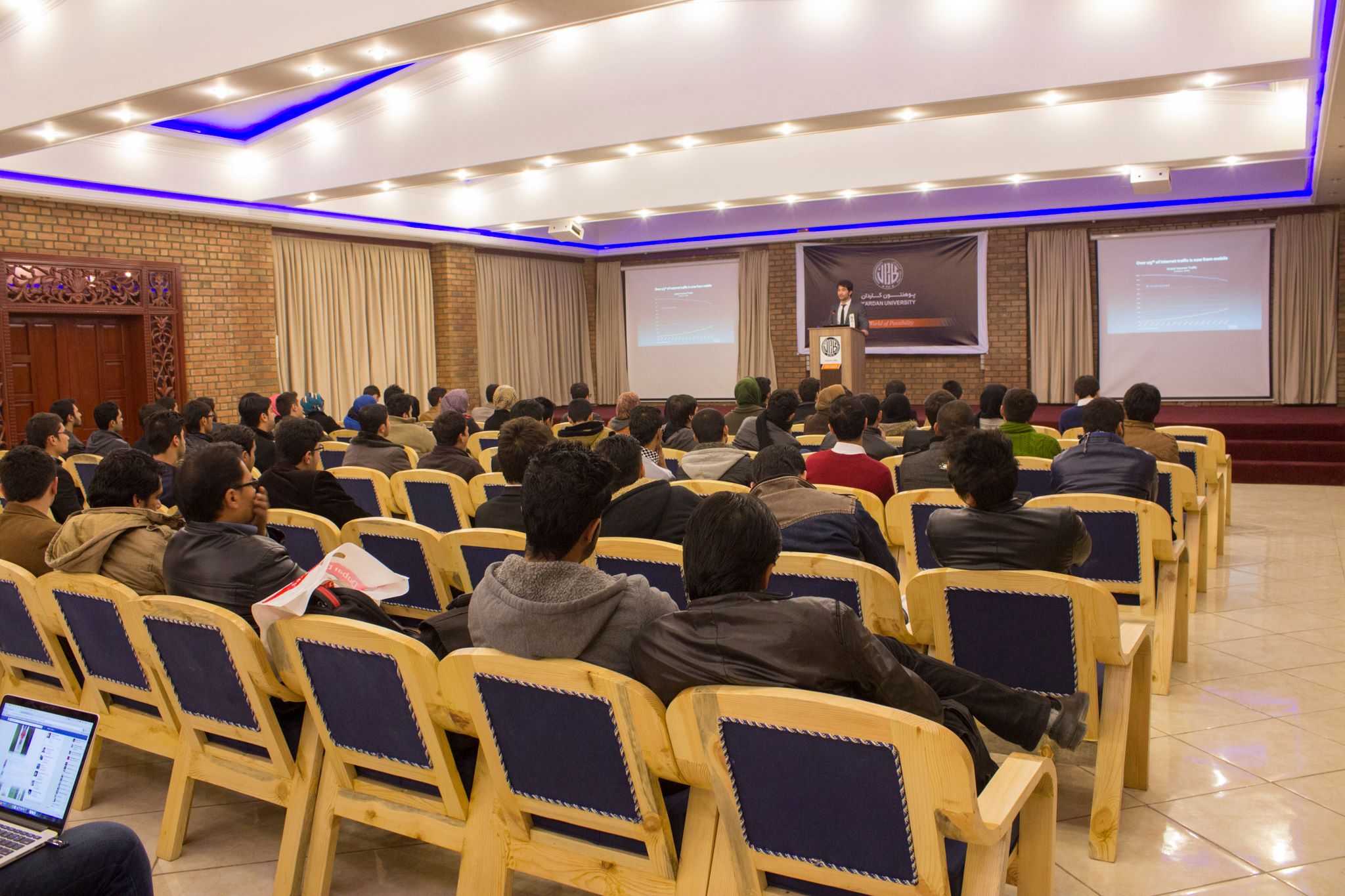
Founded in Kabul
Jamshid Hashimi founded CodeWeekend on June 4, 2014. The volunteer community went on to organize sessions, events, and training programs and support hundreds of developers.
- 100+sessions, events & trainings
CodeWeekend began as a volunteer developer community in Kabul and grew into a registered nonprofit running free, fully-live Bootcamps for Afghan learners, with a focus on women and girls. This page keeps the numbers we published at every stage.
In every cohort where we published both numbers, applications far outnumbered places — and the gap keeps growing.
The 2019 and 2021 cohorts published participant numbers only, so they are not charted here.
From a volunteer community to a nonprofit Bootcamp for women and girls — with the figures we published at each stage.
Jamshid Hashimi founded CodeWeekend on June 4, 2014. The volunteer community went on to organize sessions, events, and training programs and support hundreds of developers.
CodeWeekend made structured Bootcamp training its main focus, starting with a free pilot.
After the events of August 2021, the Bootcamp became remote and full-time for learners inside and outside Afghanistan, with continuing coaching and mentorship.
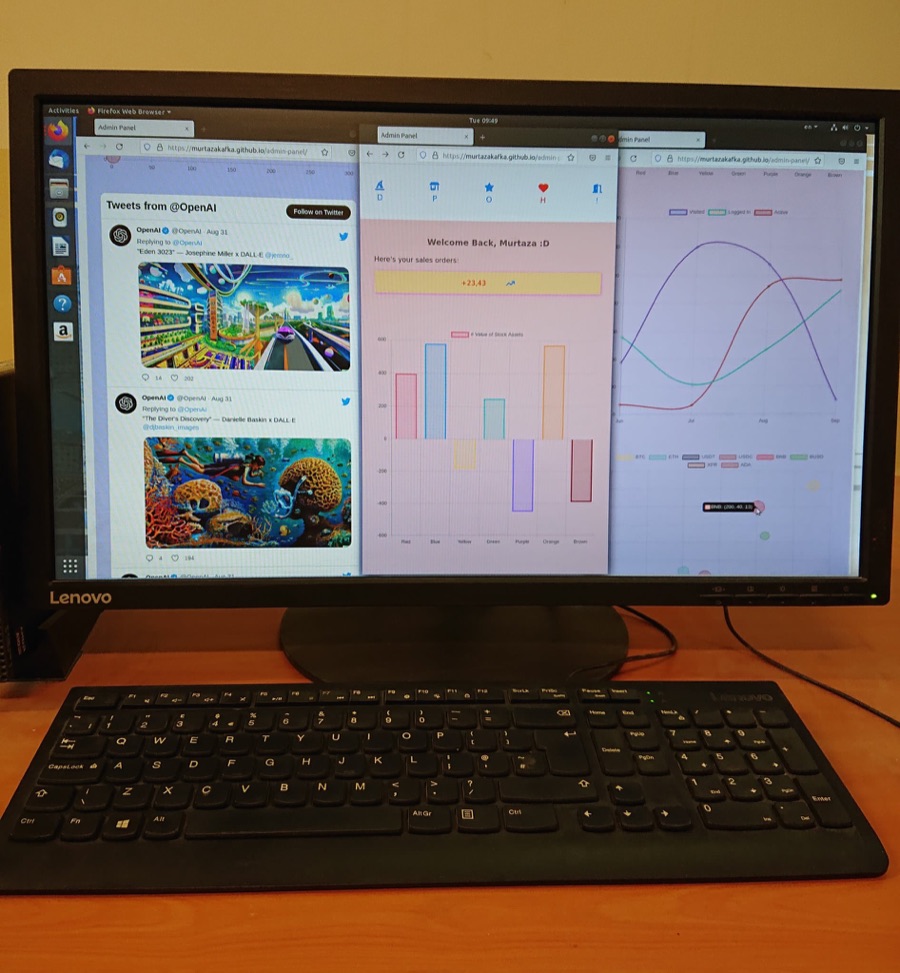
More than 250 people applied for the third cohort. Hackajob funded scholarships for women, and Scrimba gave learners a year of premium access.
Another cohort learned fully live and online, keeping structured training going for Afghan learners.
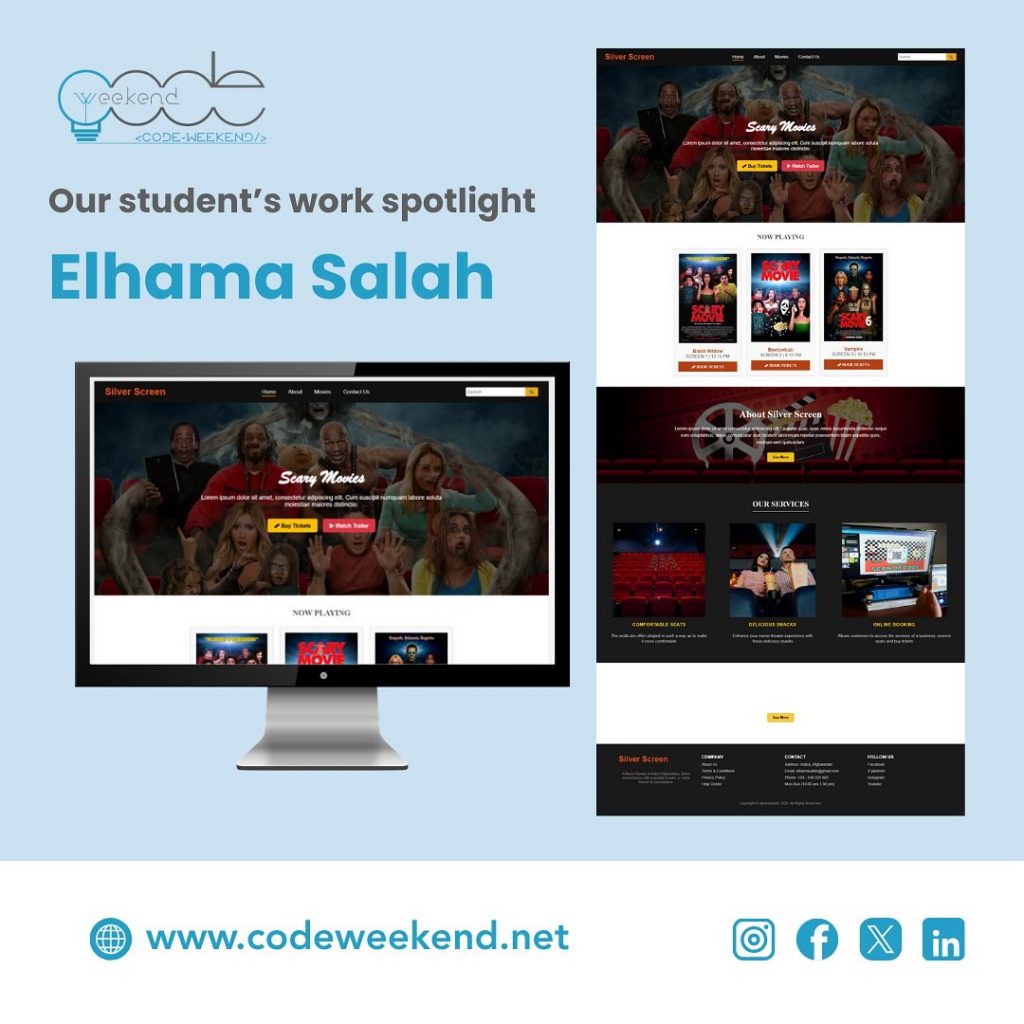
CodeWeekend launched its Web & AI Development Bootcamp for women and girls in Afghanistan, supported by the Linda Norgrove Foundation, and incorporated as a nonprofit society in British Columbia, Canada.
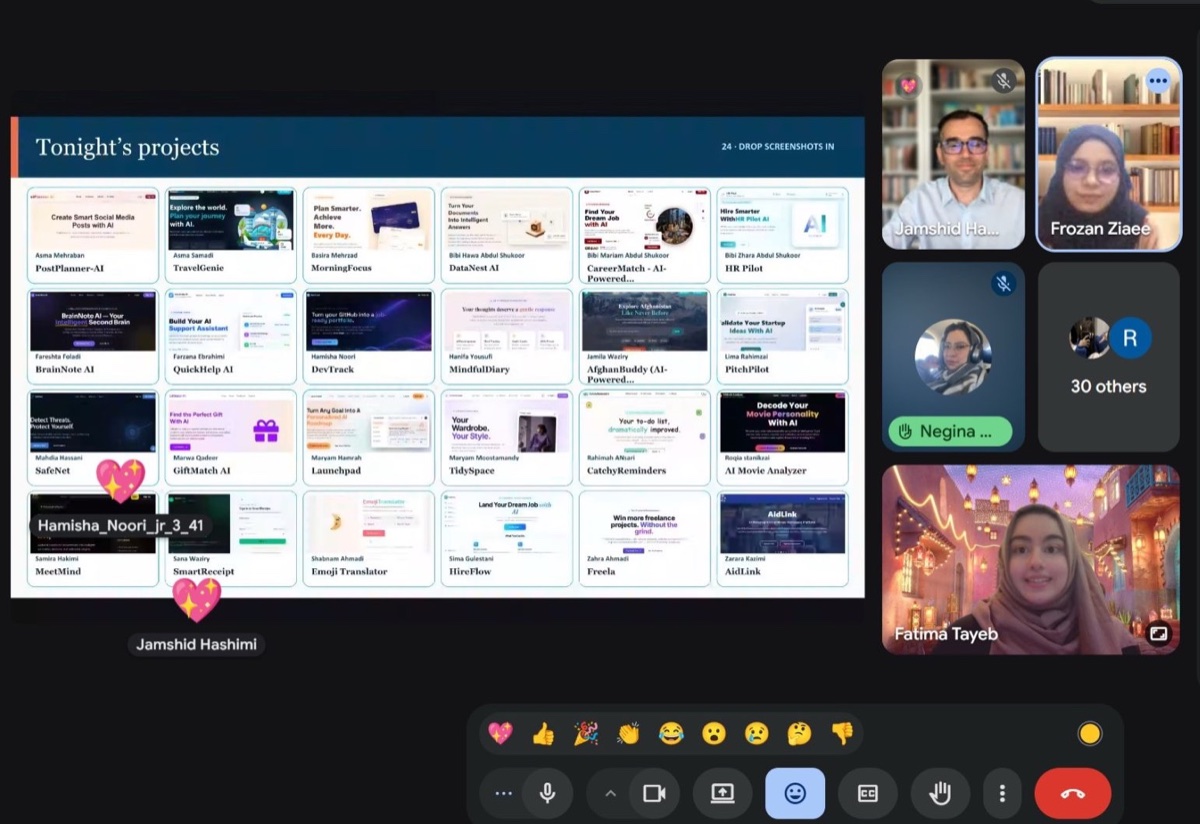
Applications rose from 280+ to 476. Graduates built their own AI-powered apps and presented them live at an online Demo Day.
12 weeks, fully live, for women and girls in Afghanistan. Each number is a different stage — none is an employment total.
Every cohort since 2019 has depended on partners and individual donors, including these.
Our core funding partner. 30 full scholarships in 2025 and again in 2026, plus internet packages and the wider costs of running the Bootcamp.
Laptops for 10 students and three months of internet support for more than 30 in the 2026 cohort.
Scholarships for 20 women in the third cohort — and a team half-marathon to raise funds for developers in Afghanistan.
The learning platform behind the 2021 remote cohort, and a year of premium courses for 100 learners in 2022.
Applications, admissions, scholarships, graduation, and Demo Day are different measures. We publish them separately and never present one as another.
We don't count admissions as graduations or promise jobs. Internships and hiring depend on people and organizations who choose to open a door.
Future reports will add verified completion, portfolio, internship, and employment measures as they become available.
Every scholarship, laptop, and internet package turns an applicant into a learner. Support the next cohort, or partner with us to open more seats.
Meet the people behind the numbers: alumni directory · student projects · success stories