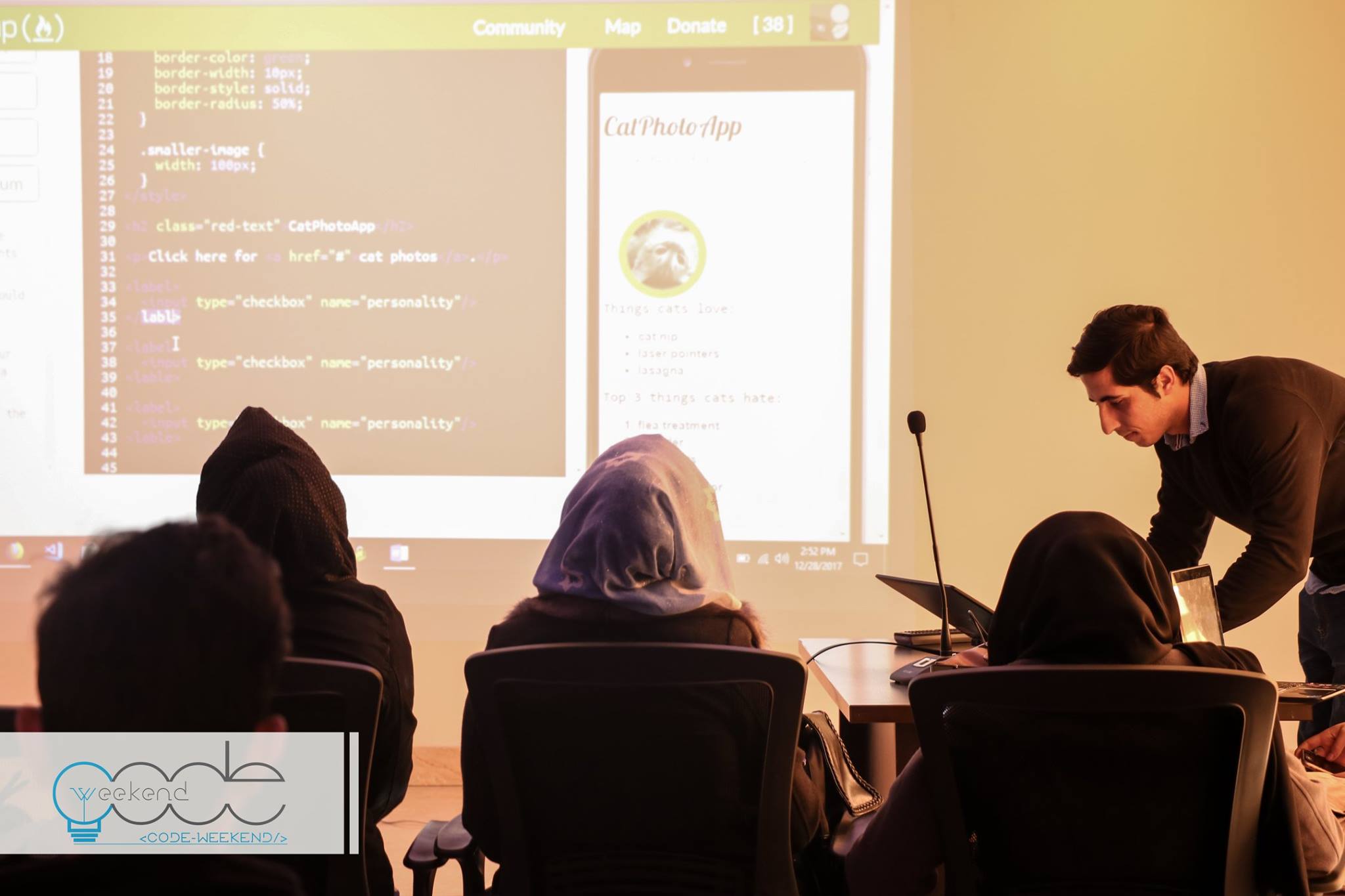
This spring, CodeWeekend ran a fully online Web & AI Development Bootcamp for Afghan women and girls aged 15 to 28, joining from provinces across Afghanistan.
They arrived with different starting points. Some had never built a website. Others already knew enough HTML to want structure, feedback, and a finish line.
What they shared was the chance to treat software as a skill they were allowed to take seriously.
April to August, fully online — with a capstone application at the end of it.
- 01 · Selected50students selected from provinces across Afghanistan
- 02 · Graduated25graduates who completed the full bootcamp
- 03 · Presented20presented capstone applications live at Demo Day, 27 August 2026
Access that made the bootcamp possible
For many students in Afghanistan, the hardest part of an online bootcamp is not the code. It is showing up — on a working laptop, with a connection that holds through a live session, when power cuts, cost, and distance keep trying to pull you offline.
Made the cohort itself possible. Their support covered internet access for learners and the wider costs of running the bootcamp — instruction, structure, and the operational runway that lets Afghan women and girls begin a cohort, complete it, and open the door for the next one.
A partnership that lasts before day one and after Demo Day.
- 10students received laptops
- 30+students received three months of internet support
For those learners, the difference between watching from the doorway and sitting in the room.
A device and a stable line decided who could stay.
The bootcamp was project-based and fully remote, so talent was never enough on its own. Without access, a strong student disappears from Zoom mid-lesson. With it, she finishes the week, asks the next question, and builds something with her name on it.
Access is the first gate. What these students did after they had it is the rest of this story.
From a first webpage to working AI apps
The bootcamp followed one rule: if you learn it, you build with it. Every stage ended in something that ran in a browser, and each project asked a little more than the last. These are screenshots of the students’ own work from along the way.
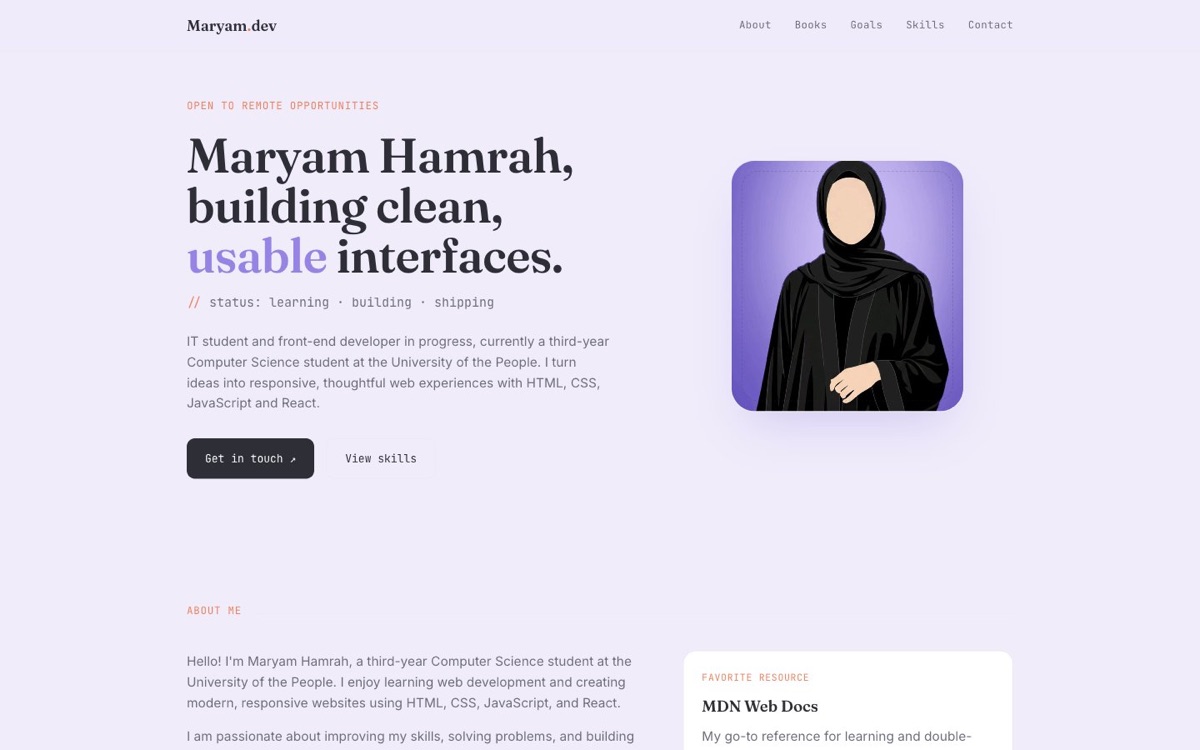 April · The first weeks A first webpage, a first commit
Onboarding covered how to ask questions, submit work on GitHub, and recover when something broke. Then students built and published their first personal webpages.
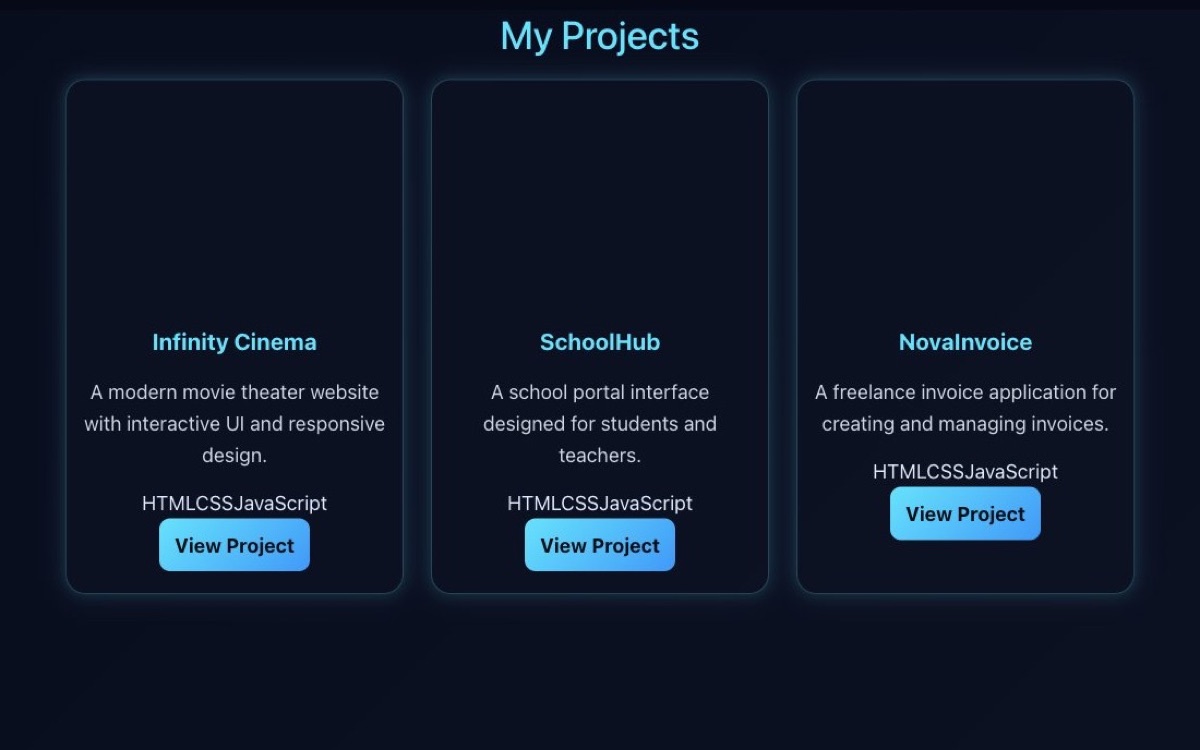 May · JavaScript From pages to working interfaces
A movie theater site, a reading-championship page, a school portal, and a freelance invoice and client manager — each one adding interaction, forms, and data.
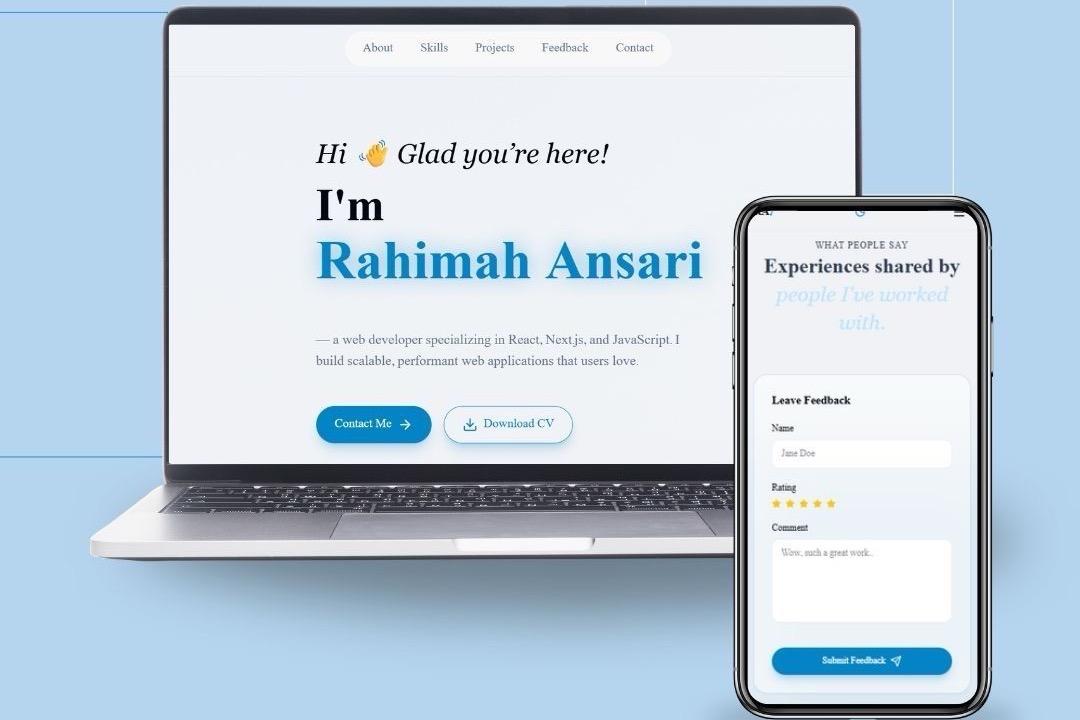 Late May · React A developer portfolio in React
Students rebuilt their work as developer portfolios in React — reusable components and a live, deployed site they could send to anyone.
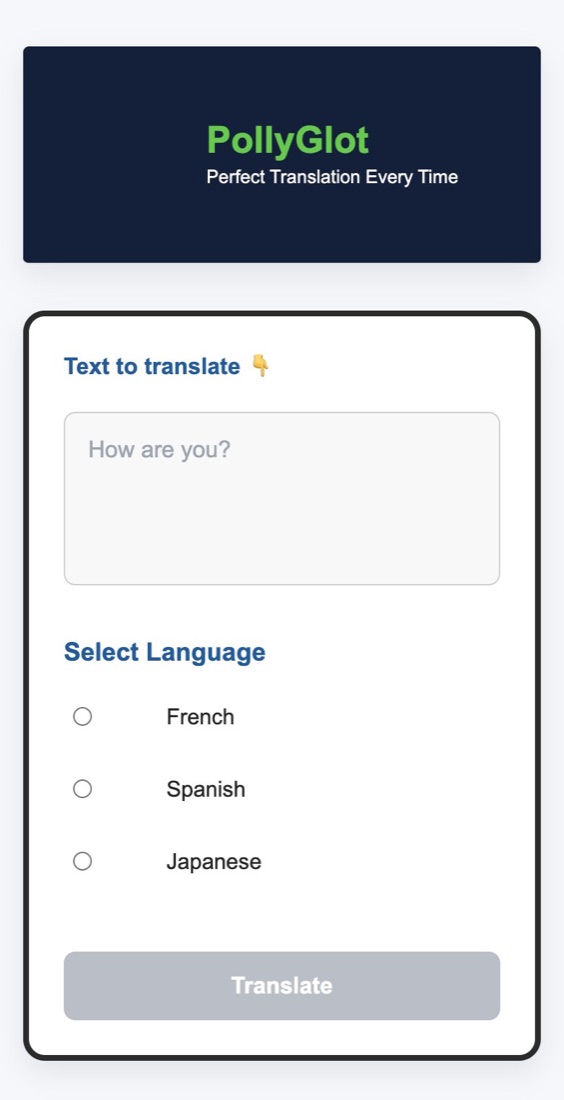
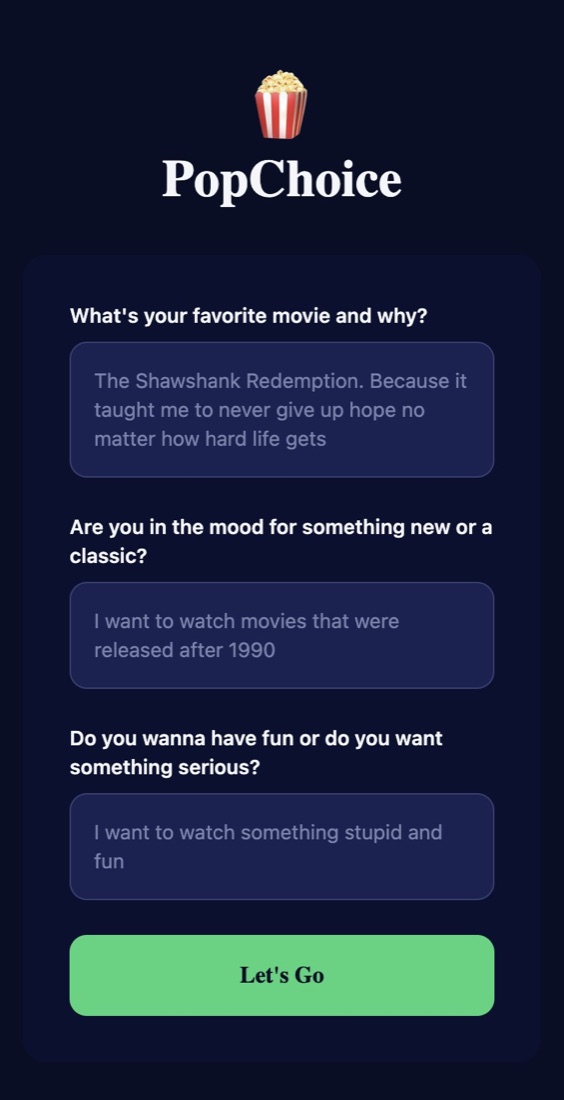 June – July · AI First AI-powered apps
PollyGlot, a translator, and PopChoice, a movie recommender, put AI APIs inside real interfaces — the last step before capstone work began.
Capstone projects
Each graduate chose a problem, planned a product, and built it. Here is the cohort’s capstone work side by side.
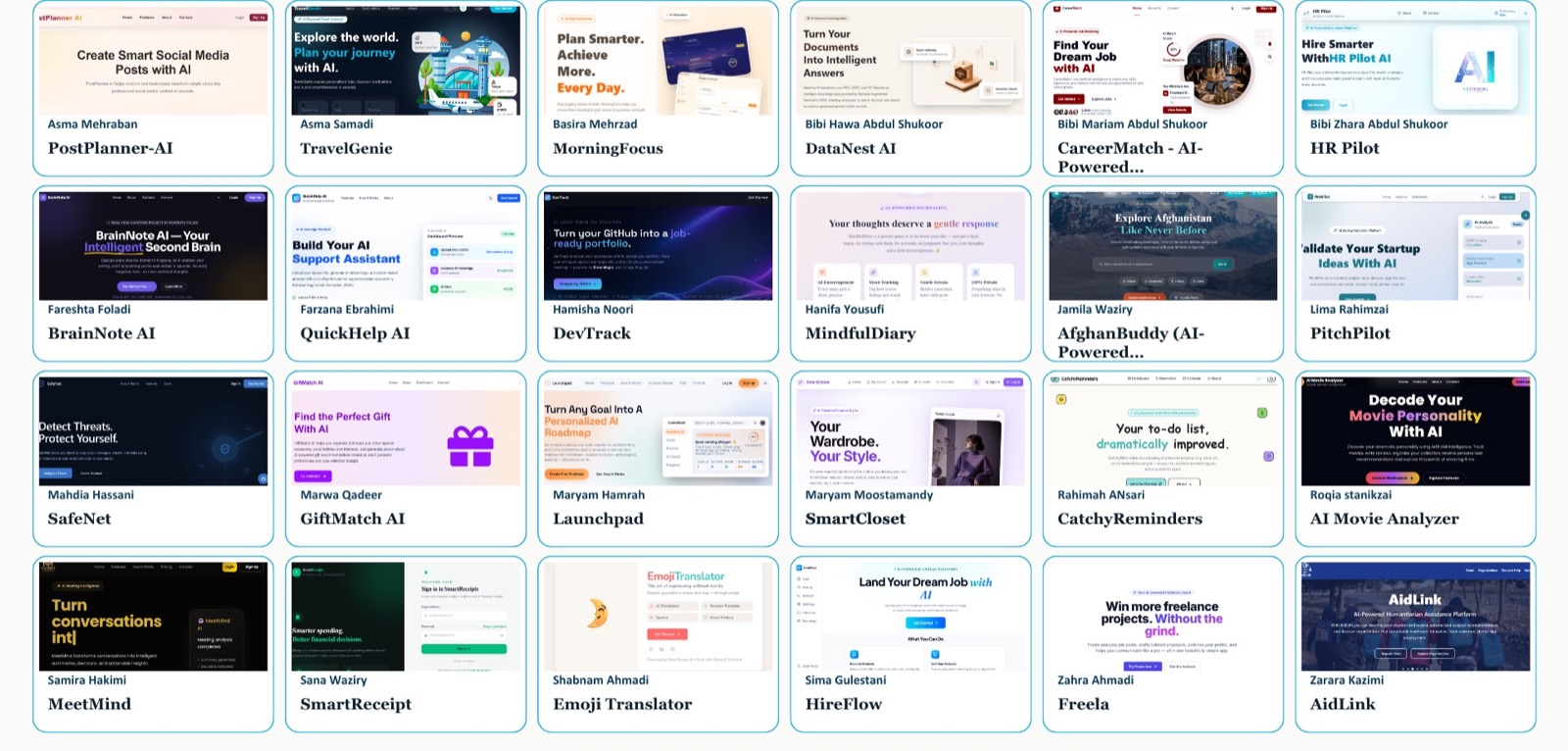
Nine projects up close
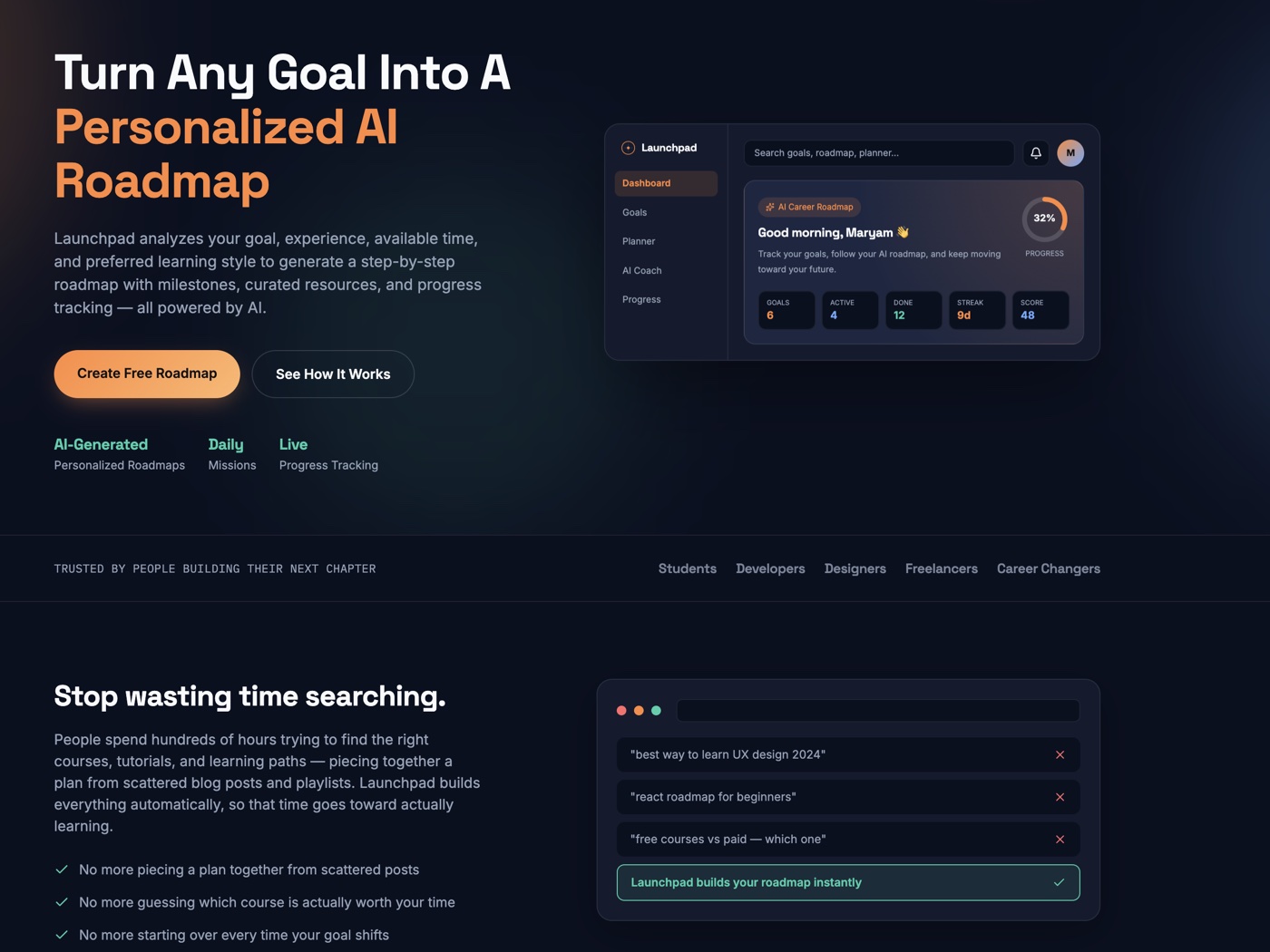
Who each app is for and what it does. Open the live demo, or read the code on GitHub.
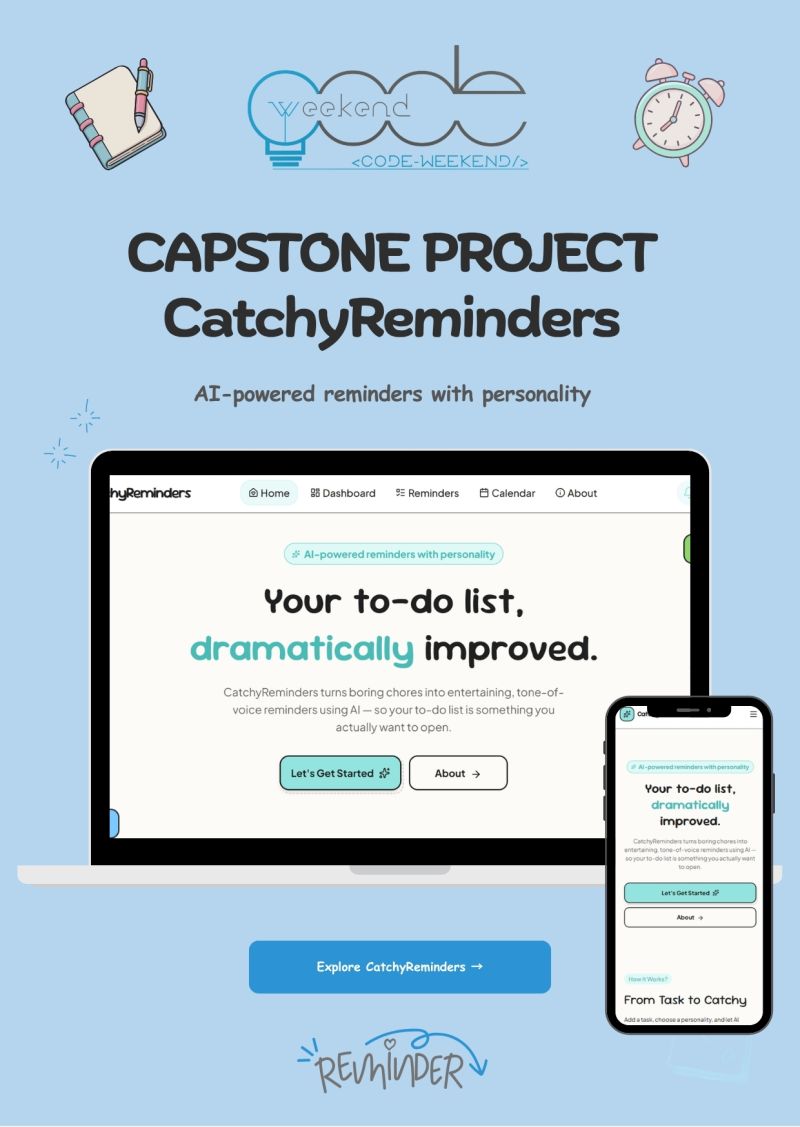
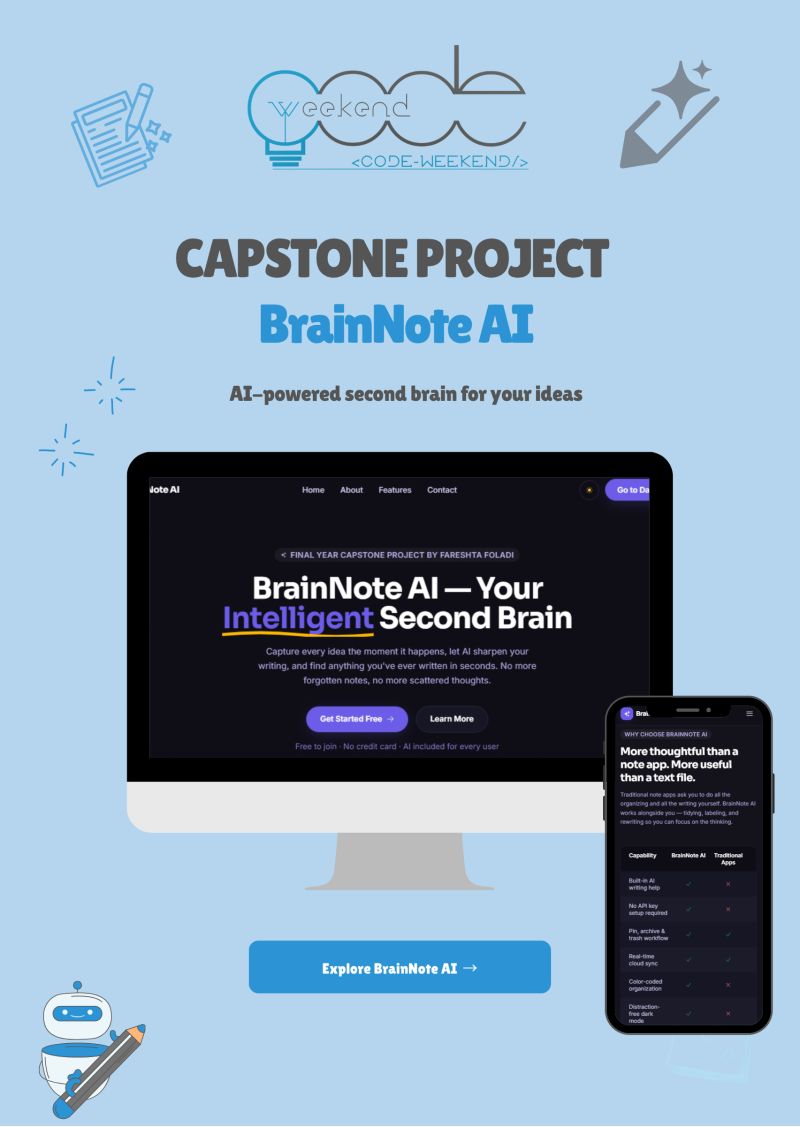
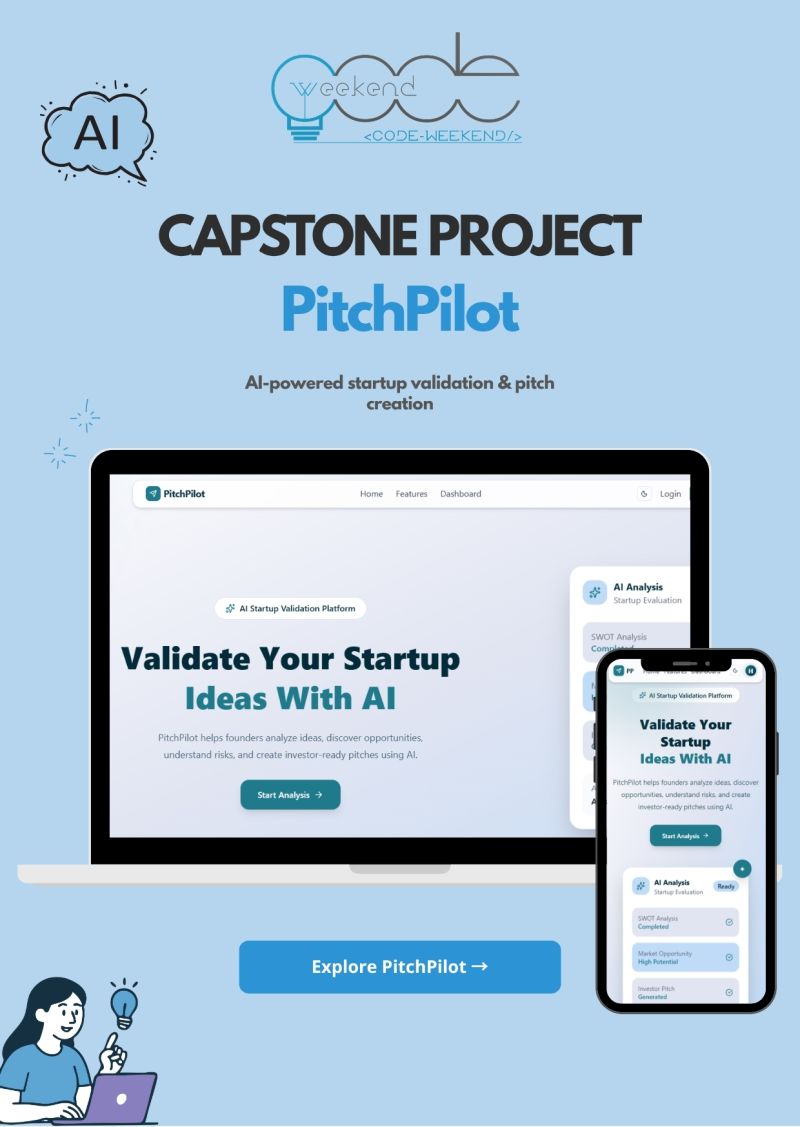
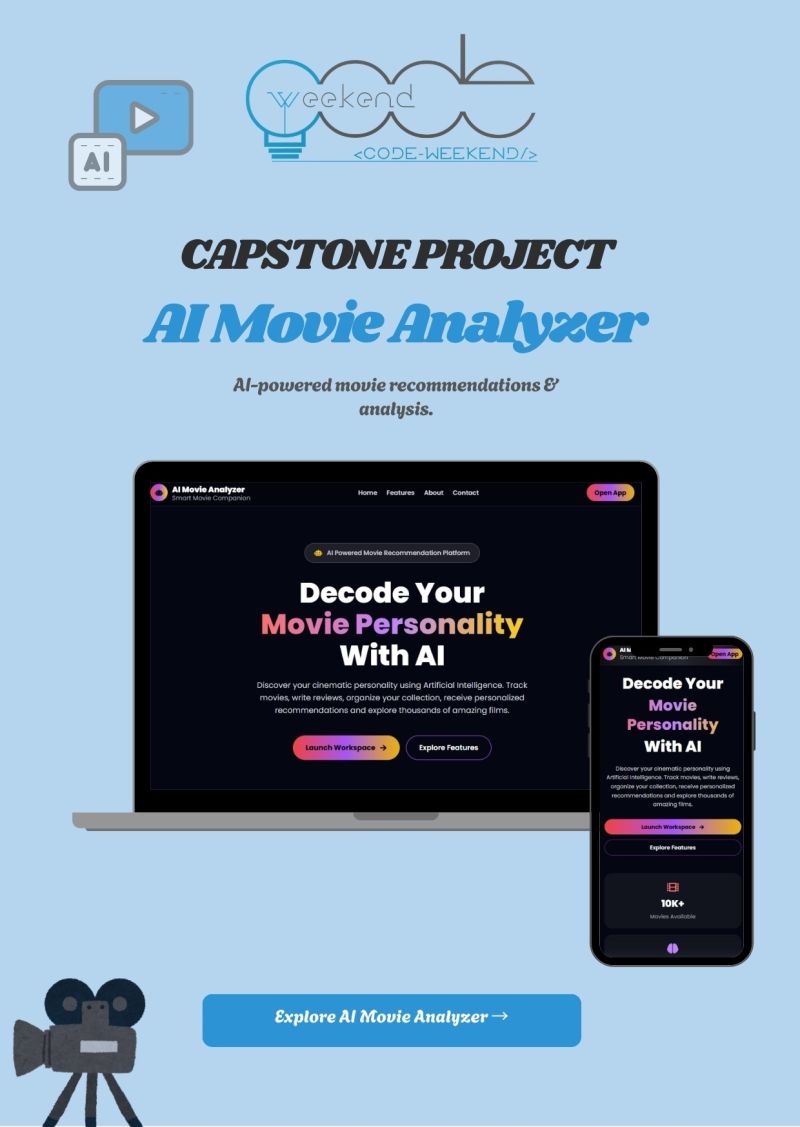
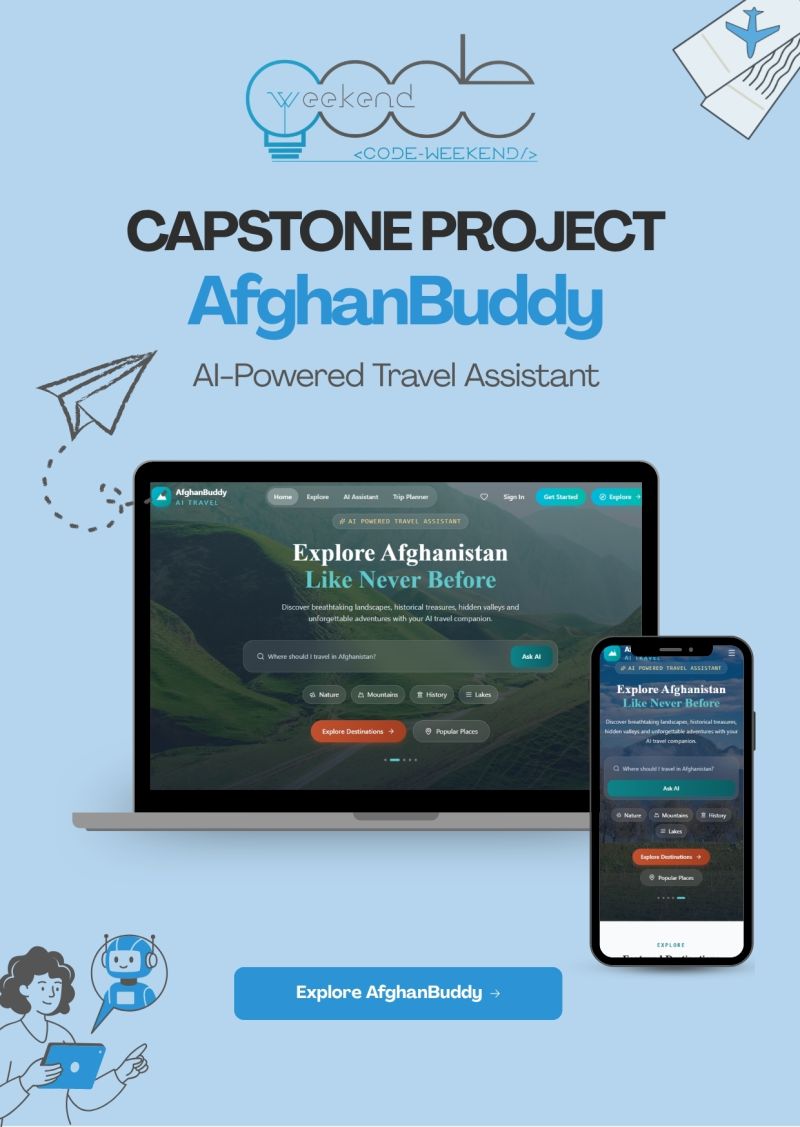
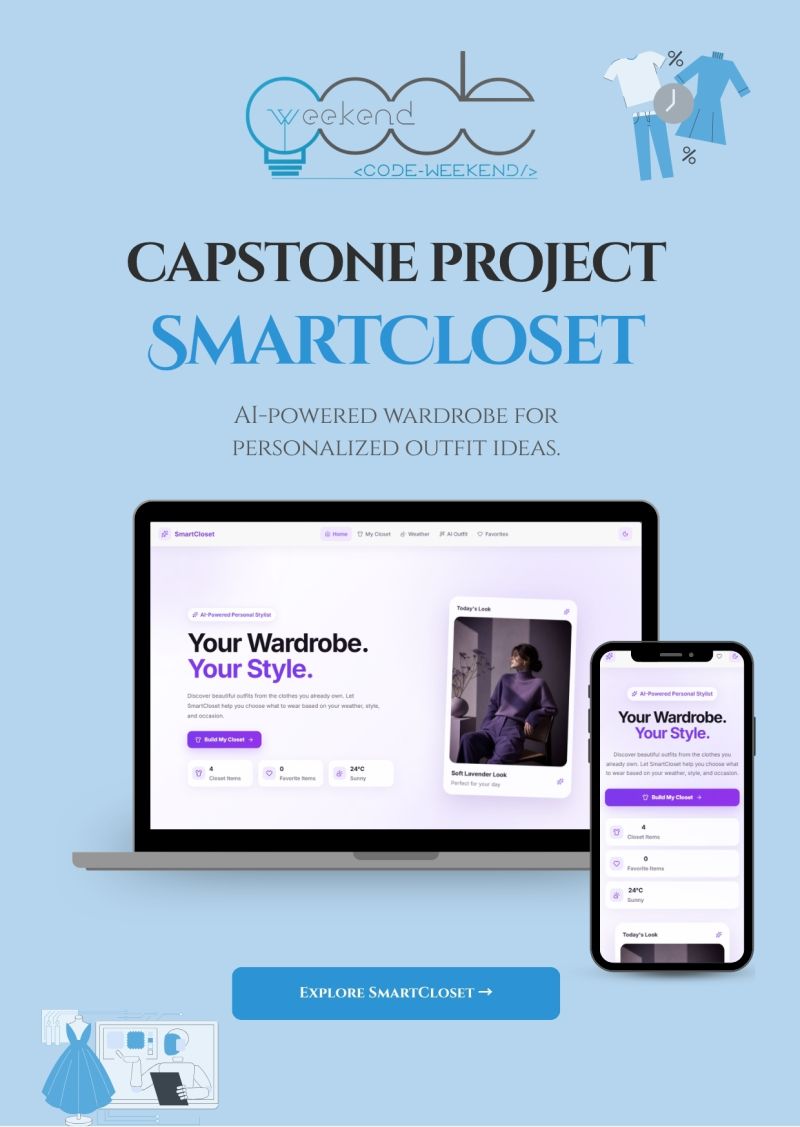
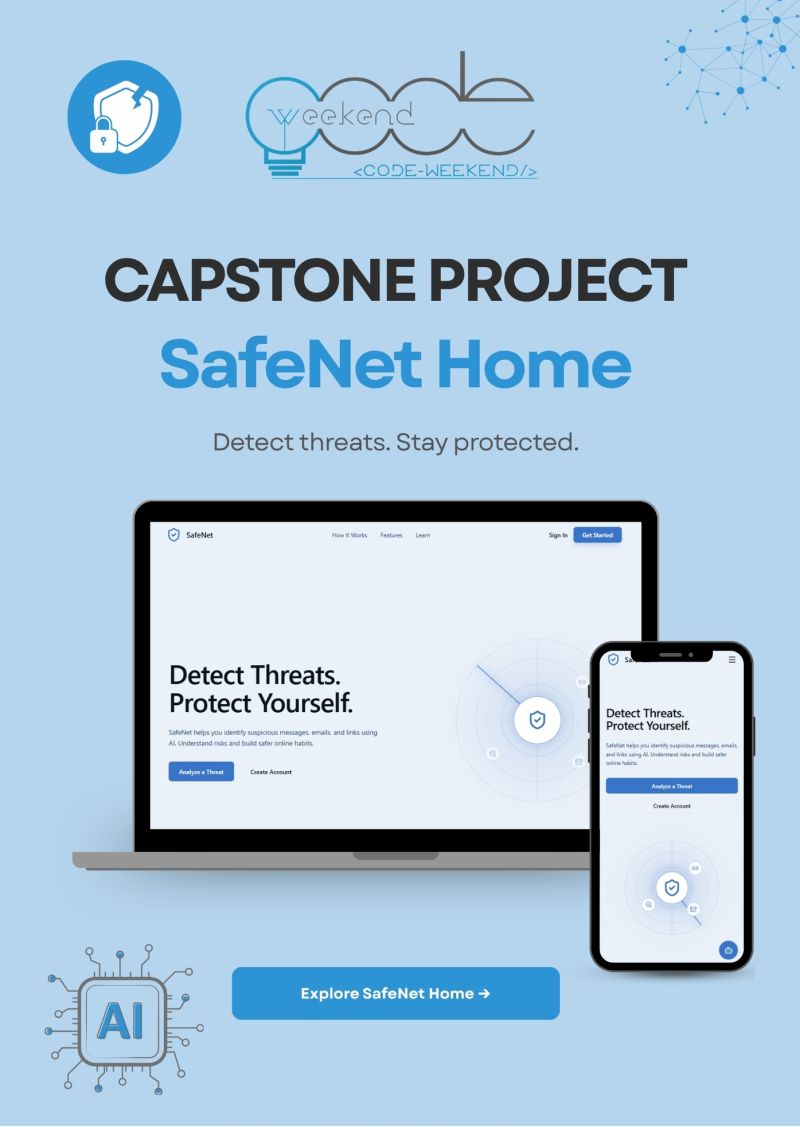
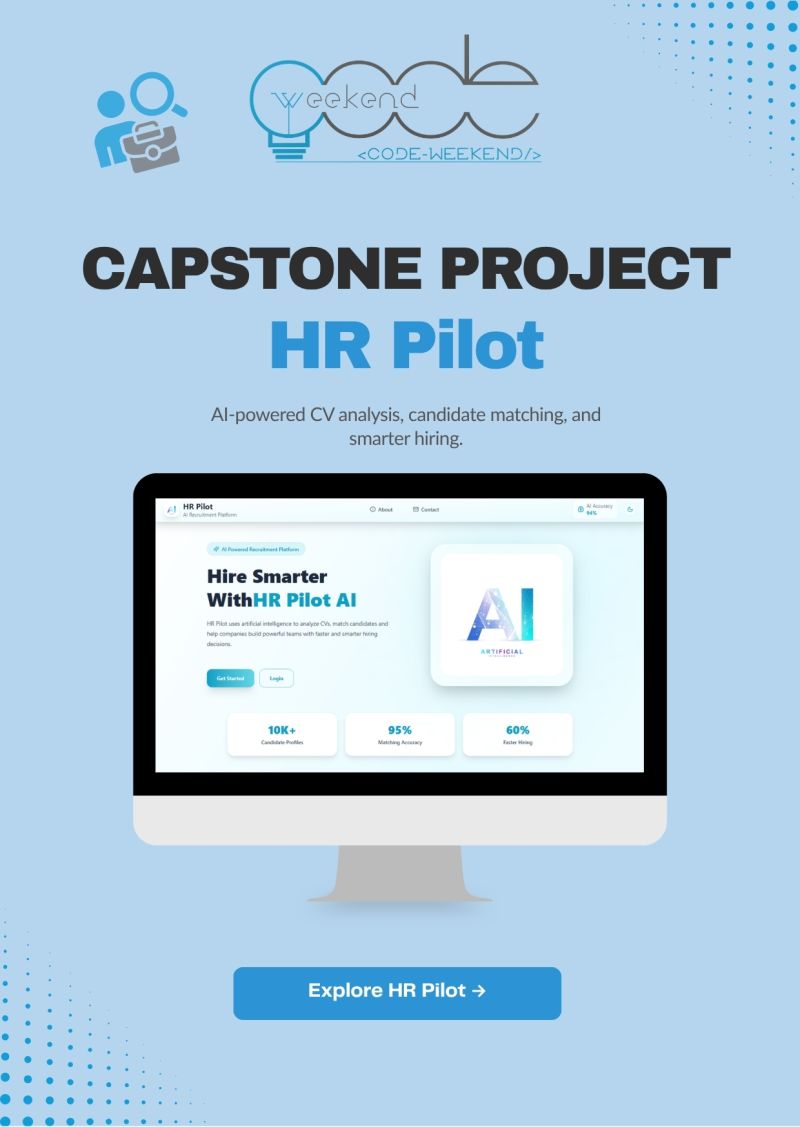 On-screen figures (10K+ profiles, 95% matching, 60% faster hiring) are illustrative demo content, not measured results.
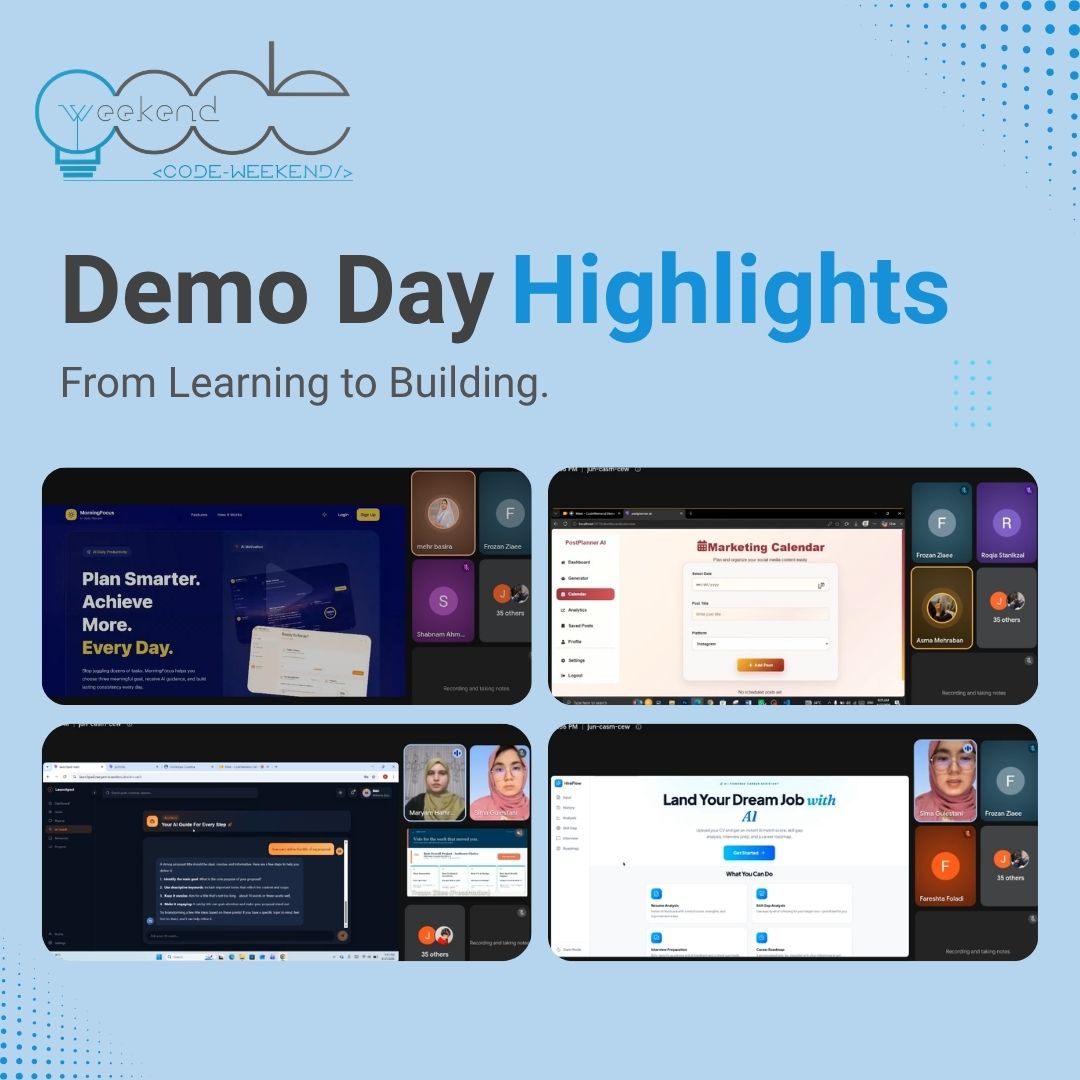
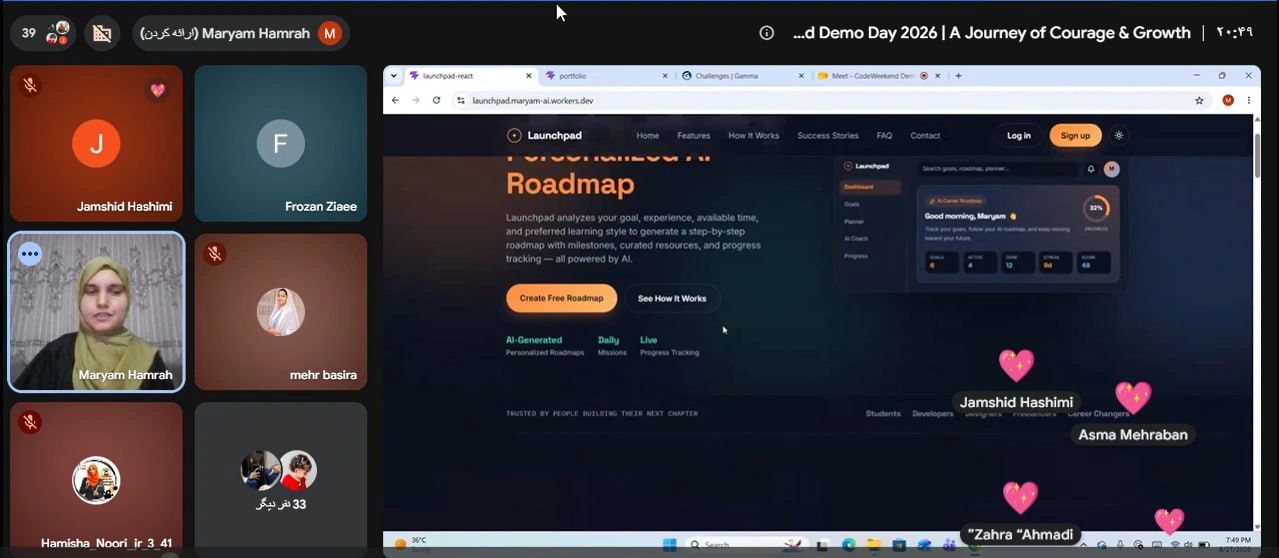
Demo Day
Twenty graduates presented to students, mentors, partners, alumni, and the CodeWeekend community — explaining what they built, why it mattered, how it worked, and what had been hard along the way. The wider graduate cohort was twenty-five; not every graduate presented live that evening.
A few months earlier, some of these students were still assembling their first pages.
Student voices
Four graduates on what changed for them, from the first static page to applications they could build and deploy.
CodeWeekend has accelerated both my technical and personal growth. It introduced me to modern web development practices, AI integration, and collaborative project development. The hands-on learning environment strengthened my confidence, improved my coding standards, enhanced my communication and teamwork skills, and prepared me to build scalable applications that solve real-world problems.
My biggest achievement since joining CodeWeekend has been working on real-world team projects, especially building SafeNet. I learned JavaScript, React, Tailwind CSS, Git, GitHub, APIs, and AI concepts, which helped me grow from building static websites to creating and deploying dynamic web applications.
CodeWeekend transformed the way I approach software development. The bootcamp helped me move beyond building simple web pages to developing complete full-stack applications with modern technologies and AI. Beyond technical skills, the program strengthened my problem-solving abilities, confidence, teamwork, and belief that I can build meaningful products that solve real problems.
CodeWeekend gave me the practical experience and confidence to build real-world projects. I learned how to develop production-ready applications, collaborate using Git and GitHub, and integrate AI into modern web development. Beyond technical skills, the program strengthened my confidence, problem-solving abilities, and readiness to pursue professional opportunities in software development.
The people behind the bootcamp
Instructors worked beyond the lecture. Mentors helped students size an idea, debug a failing feature, and decide what to do next. Guest speakers joined as practitioners — often the first time a student could picture herself in the field.
When someone missed sessions, the team looked for a way back in. Often the internet was down, or the power, or life at home made joining impossible that day. That quiet follow-up is a large part of why people finish.
Open a door for a 2026 graduate
Graduates leave with projects they can keep improving, GitHub profiles with real work, and a clearer picture of the field. They remain part of the CodeWeekend community. Internships, hiring introductions, and ongoing mentorship are not guaranteed outcomes of graduation — they depend on people and organizations who choose to open a door.
What this cohort built with
- JavaScript & React
- Tailwind CSS
- APIs & databases
- Supabase & PostgreSQL
- Git & GitHub
- AI integration
- Netlify, Vercel & Cloudflare
- MentorGuide a graduate through her next project, portfolio review, or job search.
- HireJunior front-end, web, or AI-integration roles — full-time, part-time, or freelance.
- Host an internshipA remote placement where she can work on a real team.
One message is enough — we’ll follow up from there.
Every girl deserves the right to learn and dream.— CodeWeekend
476 applied. There was room for 50.
Behind every one of those applications is a woman or girl in Afghanistan asking for the chance to learn. This year, 426 of them could not be offered a seat. More seats, laptops, and internet packages are what change that.
- $25One month of internet for one student — we pay monthly, not weekly
- $500A laptop for a student who doesn’t have one
- $2,500A full seat: 6 months of internet ($25 × 6 = $150), a laptop ($500), and the live teaching through Demo Day
- $10,000A named scholarship or sponsorship of the next cohort
With thanks
CodeWeekend runs on instructors, mentors, partners, volunteers, alumni, and students who keep showing up when it would be easier not to.
We are especially grateful to the Linda Norgrove Foundation, whose support covered internet access and the wider costs of the bootcamp — before this cohort and afterward, so the next one can begin — and to GiveInternet, which provided laptops for ten students and three months of internet support for more than thirty.
To the students: you sat with the errors and built a capstone application with your name on it. Do not treat 27 August as the end of that. We are proud of you. Go make the next thing.